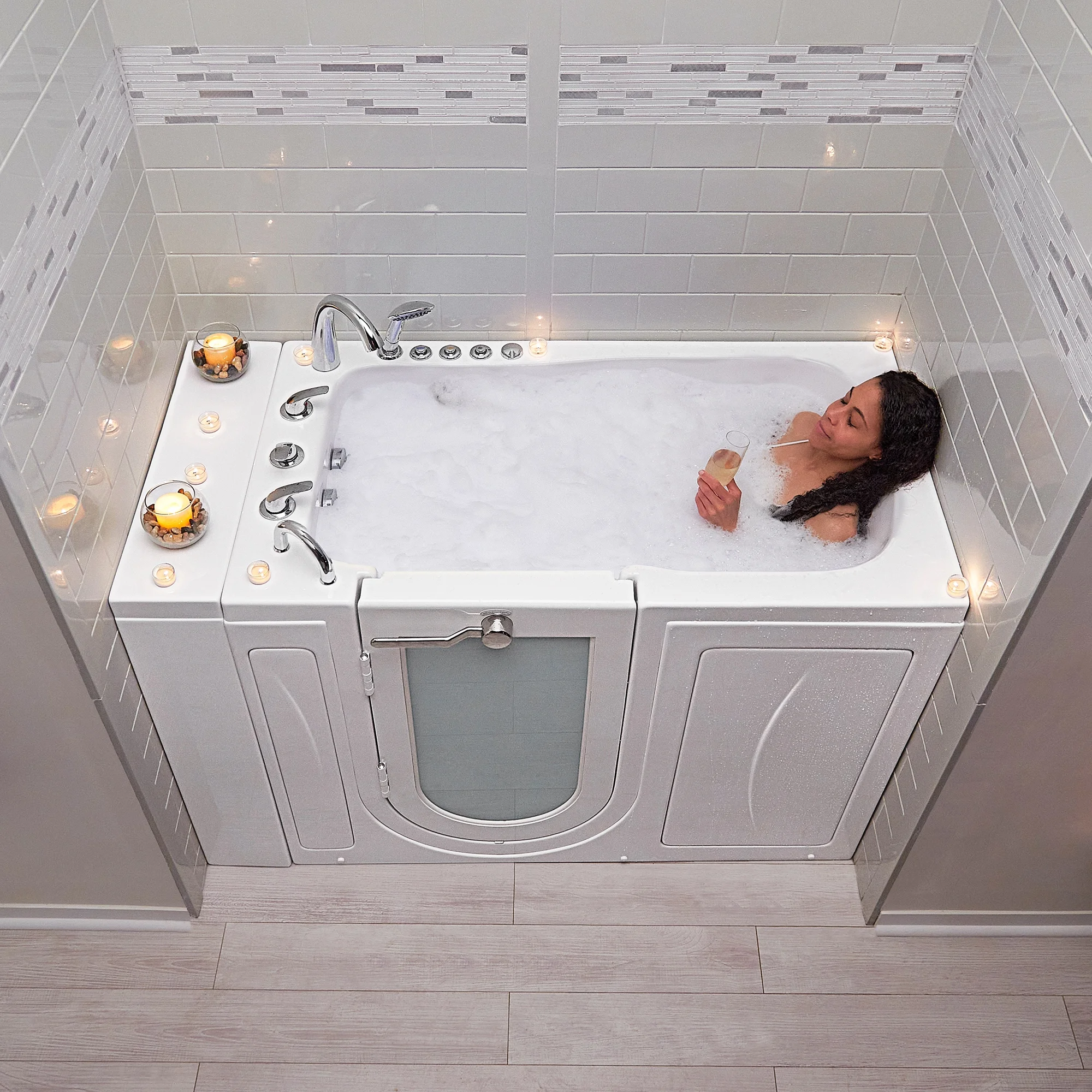
Best Tile for Bathrooms in Georgia's Humid Climate

Bathroom Tile in Georgia: Humidity Changes Everything
Georgia's average humidity exceeds 70% for much of the year. This means your bathroom tile choice isn't just about appearance — it's about long-term performance. The wrong tile in a Georgia bathroom leads to mold, staining, and premature deterioration.
Best Choice: Porcelain Tile
Water absorption: Less than 0.5%. Porcelain is the gold standard for Georgia bathrooms. It is virtually waterproof, mold-resistant, scratch-resistant, and available in styles that perfectly mimic marble, wood, and natural stone. Large-format porcelain (24x48) minimizes grout lines where mold can develop.
Good Choice: Ceramic Tile
Water absorption: 3-7%. Ceramic is fine for bathroom walls and dry-area floors, but not ideal for shower floors or constantly wet areas. It absorbs more water than porcelain and may develop mold in grout lines over time in Georgia's humidity.
Luxury Choice: Natural Stone
Water absorption: 1-12% (varies widely). Marble, travertine, and slate are beautiful but porous. They require annual sealing in Georgia's humid climate. Without proper sealing, natural stone absorbs moisture and develops staining and etching. Best for vanity walls and dry floors, not shower interiors.
Critical: Waterproofing Matters More Than Tile
The tile itself is only as good as what's behind it. In Georgia, proper waterproofing (Schluter-Kerdi membrane or equivalent) is non-negotiable for any shower or wet area. Without it, moisture penetrates the substrate and causes mold and structural damage — regardless of which tile you choose.