November 24, 2025Delightful Services
Wheelchair Ramps: Paving the Way for Accessibility
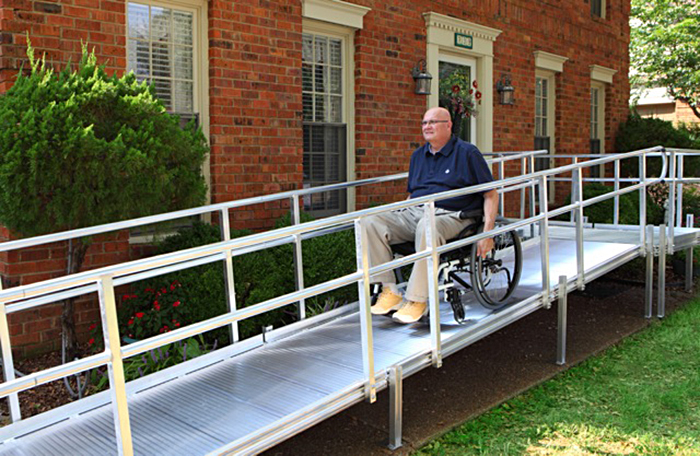
Wheelchair ramps are essential tools for promoting accessibility and ensuring equal opportunities for individuals with mobility challenges. These inclined pathways provide a safe and convenient means for wheelchair users to access buildings, homes, and other spaces.
Types of Wheelchair Ramps
- Permanent Ramps: Constructed from durable materials like concrete, metal, or wood. Ideal for high-traffic areas or long-term needs.
- Modular Ramps: Prefabricated sections that can be easily assembled. They offer flexibility and are ideal for semi-permanent situations.
- Portable Ramps: Lightweight and foldable. Perfect for travel, temporary access, or overcoming single steps.
ADA Compliance Requirements
The Americans with Disabilities Act (ADA) sets standards to ensure safety. Key requirements include:
- Slope: Max slope of 1:20 (1 inch rise for every 20 inches of run) is recommended for comfort, though 1:12 is the commercial standard.
- Width: Minimum width of 36 inches for single-lane ramps.
- Handrails: Required on both sides for ramps with a rise greater than 6 inches.
- Surface: Must be non-slip and stable.
- Landings: Level landings required at top and bottom, at least 60 inches long.
Benefits of Wheelchair Ramps
- Accessibility: Provide safe entry for everyone, including those with strollers or deliveries.
- Compliance: Help businesses meet ADA regulations and show commitment to inclusivity.
- Safety: Minimize the risk of trips and falls compared to stairs.
- Independence: Allow for unassisted access to various spaces.
Related Topics
AccessibilityRampsADA Compliance